
Know Your Voting Rights
Last updated: October 14, 2026 03:13 pm
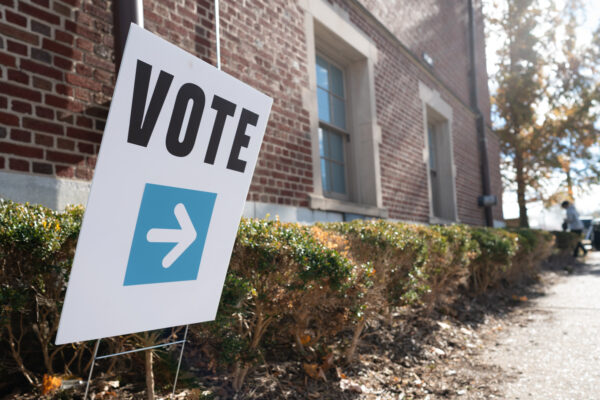
Learn more about how to exercise your voting rights, resist voter intimidation efforts, vote with a criminal conviction, and access disability-related accommodations and language assistance at the polls. In Pennsylvania, you have the option to vote in person or by mail. For help, call the non-partisan Election Protection Hotline at 866-OUR-VOTE (866-687-8683). See below for additional language lines.
Dates and Deadlines
- Monday, October 19, 2026: Last day to register to vote
- Tuesday, October 27, 2026: Last day to apply for a mail-in or civilian absentee ballot
- Tuesday, November 3, 2026 is the General Election. Polls are open on Election Day from 7 A.M. - 8 P.M.
- Completed mail-in ballots must be received by your county election office by 8 p.m. on Election Day. Postmarked is not enough.
Voting With a Criminal Conviction
I’m a Voter With a Disability
Your Right to Language Support
Frequently Asked Questions (FAQ)
Downloadable Resources
Related Issues
Related Content
Feb 28, 2019
Voting with a Criminal Conviction
Here’s what people need to know about voting with a criminal conviction in Pennsylvania
May 02, 2023

What is a pro-voter agenda?
Pennsylvania’s 2023 primary election is right around the corner, on May 16, and with the delivery of mail and absentee ballots, voting is already underway.
Oct 22, 2024

ACLU-PA Statement in Response to Lancaster County Commissioners’ Mischaracterization of Voters’ Registration Experience
LANCASTER, Pa. - After denying dozens of voter registrations from local college students in recent weeks, the Lancaster County commissioners have responded with a statement and comments that contradict voters’ firsthand experiences.
Stay Informed
Sign up to be the first to hear about how to take action.
By completing this form, I agree to receive occasional emails per the terms of the ACLU’s privacy statement.
By completing this form, I agree to receive occasional emails per the terms of the ACLU’s privacy statement.